
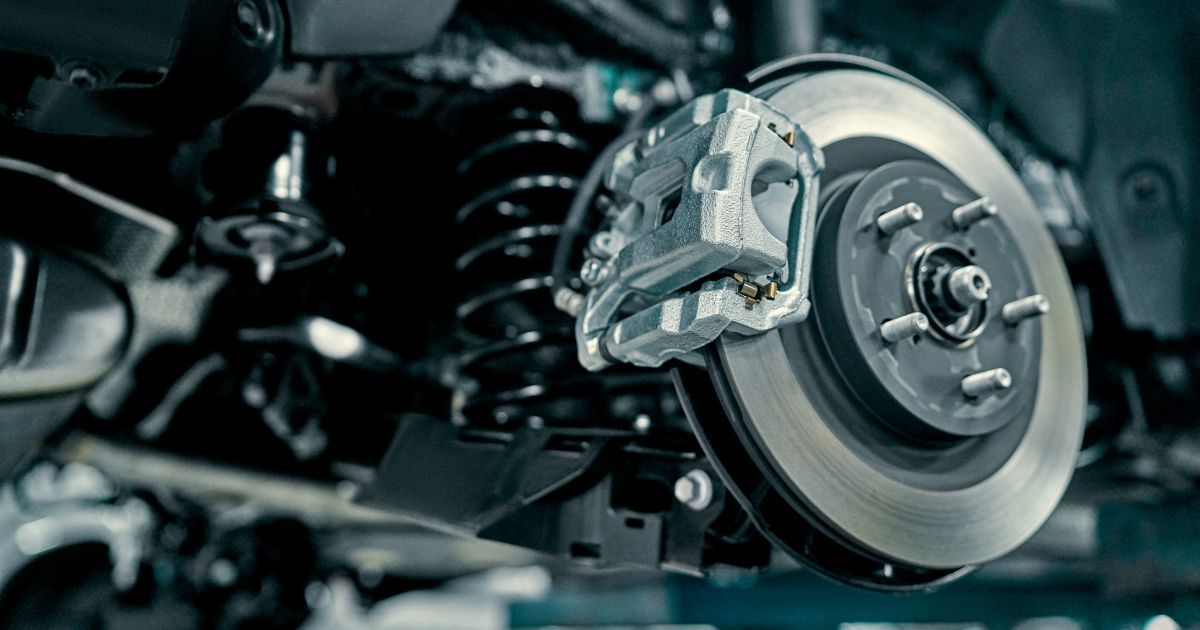
Brake Repair 101: How to Keep Your Vehicle Safe in the Greater Lansing Area Your brakes are the single most important safety system on your vehicle. Whether you’re navigating stop-and-go traffic in downtown Lansing or making an emergency stop on a winter road, your ability to stop quickly and consistently depends on a properly maintained brake system. Understanding the basics of how brakes work, what to watch for, and what proper service involves helps you make informed decisions — and catch problems before they become expensive ones. Quick Answer: What Does Proper Brake Maintenance Include? Inspecting pads, rotors, and calipers for wear and condition Checking brake fluid condition and level Monitoring for noise, vibration, or changes in stopping feel Addressing symptoms early — before they cause rotor damage or system failure How Your Brake System Works Brakes work through hydraulic pressure and friction. When you press the pedal, brake fluid carries that pressure through the brake lines to the calipers. The calipers squeeze brake pads against spinning rotors, and the friction created slows and stops the vehicle. The key components: brake pads (create friction), rotors (provide the friction surface), calipers (apply pressure), brake lines and fluid (carry hydraulic force), and hardware (holds everything in position). Every component is part of a single system — when one wears out, the others work harder. How to Recognize Brake Problems Early Squealing or screeching during braking is typically the first sign — wear indicator tabs alerting you pads are low. Grinding means pads are gone and metal is contacting metal. A soft or spongy pedal suggests air in the lines, low fluid, or a hydraulic issue. Vibration during braking usually points to warped or scored rotors. Pulling to one side indicates uneven braking force. Longer stopping distance is a direct safety concern that needs immediate attention. Why Brake Fluid Is Often Overlooked Brake fluid is hygroscopic — it absorbs moisture from the air over time. As moisture content increases, the fluid’s boiling point drops, which can cause brake fade during heavy or repeated braking. Contaminated fluid also corrodes internal brake system components including ABS hardware. Most vehicles benefit from a brake fluid flush every 2–3 years, particularly in Michigan where humidity and temperature swings accelerate degradation. What Happens If You Delay Brake Service Pads that wear through to the metal damage rotors — turning a pad-only replacement into a pad-and-rotor job. Rotors that develop deep scoring may need replacement rather than resurfacing. Calipers that stick cause uneven wear across axles. What might be a $240–$295 pad replacement becomes a $390–$520 or higher repair when the rotor is involved. Addressing brake symptoms early consistently costs less. Why Michigan Conditions Accelerate Brake Wear Road salt corrodes brake hardware, caliper slide pins, and rotor surfaces — especially on vehicles that sit unused for periods. Potholes stress suspension components that affect braking geometry. Stop-and-go traffic in Lansing creates more heat cycles per mile than highway driving. Winter braking demands — longer stopping distances, more frequent stops — add up over a Michigan winter. Brakes here need more attention than in milder climates. Built on Trust, Driven by Standards At Affordable Tires & Auto Repair, brake service means inspecting the full system and reporting what we find — not just addressing the symptom you came in for. We check pads, rotors, calipers, fluid, and hardware, and give you a clear picture of where everything stands. For advanced brake diagnostics and system-level issues, Auto Surgeon handles complex vehicle health assessments. For major brake system repair and drivetrain work, A&D Repair provides full mechanical support. When brake repairs affect wheel speed sensors or ABS components, Complete ADAS Solutions handles recalibration. All qualifying brake service is backed by a 5-year / 60,000-mile warranty. Frequently Asked Questions
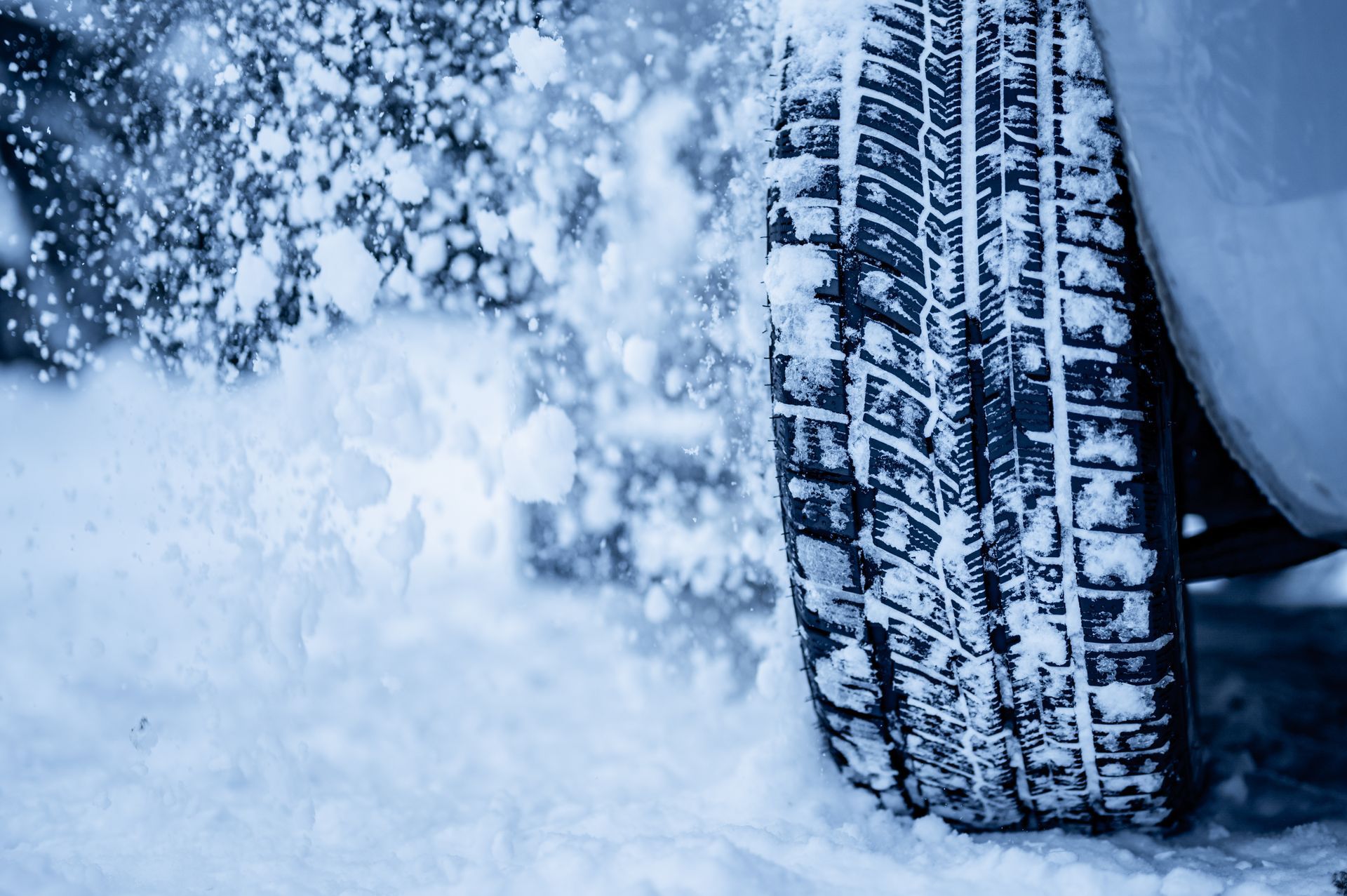
Best Off-Road Tires for Michigan Drivers: What to Know Before You Buy Off-road tires are built for conditions that regular all-season tires are not — loose gravel, mud, dirt roads, rocky terrain, and deep snow. Michigan offers plenty of opportunity for all of it, from two-track roads in the U.P. to logging roads, hunting access, and recreational trails throughout the Lower Peninsula. The right off-road tire depends on how much off-pavement driving you actually do versus how many miles you cover on regular roads. Quick Answer All-terrain (A/T) tires are the most practical choice for drivers who mix on-road and off-road driving Mud-terrain (M/T) tires excel in deep mud and extreme off-road but are noisier and wear faster on pavement Hybrid or rugged-terrain tires split the difference — more capable off-road than A/T but more road-friendly than M/T For Michigan winters, look for the three-peak mountain snowflake (3PMSF) rating on your chosen A/T tire Tire size and load rating must match the vehicle — oversized tires can affect handling and ADAS systems All-Terrain Tires: The Most Practical Michigan Choice All-terrain tires are designed to handle both paved roads and moderate off-road conditions. They have more aggressive tread patterns than all-season tires, with larger tread blocks and open shoulders that provide grip in loose conditions. On pavement, they drive acceptably — slightly noisier than touring tires but manageable for daily commuting. For most Michigan drivers who use their truck or SUV for occasional off-road or seasonal hunting and recreation, all-terrain tires offer the best combination of on-road comfort and off-road capability. Look for tires with the 3PMSF rating for adequate snow and ice performance in Michigan winters. Mud-Terrain Tires: For Serious Off-Road Use Mud-terrain tires have large, open tread lugs designed to self-clean in mud and provide maximum grip in extreme off-road conditions. They are excellent for deep mud, rutted trails, and aggressive off-roading. The trade-offs are significant for drivers who also spend time on pavement: higher road noise, reduced wet pavement performance, faster treadwear, and lower fuel economy. Mud-terrain tires make sense for vehicles that spend the majority of their working time off-road. For someone who uses a truck primarily for daily commuting with occasional off-road use, the trade-offs are hard to justify. Rugged-Terrain Tires: A Middle Ground Several manufacturers offer tires that fall between all-terrain and mud-terrain performance — sometimes called rugged-terrain or hybrid A/T. These provide more off-road capability than a standard A/T without the severe on-road compromises of a true mud-terrain. If your off-road use is more demanding than casual trails but you still drive on paved roads regularly, this category is worth considering. Does Tire Size Matter for Off-Road Performance? Larger tires provide more ground clearance and a larger contact patch in off-road conditions. However, oversized tires can affect steering geometry, speedometer accuracy, fuel economy, and on some newer vehicles, can affect the performance of ADAS systems calibrated to the original tire size. If you are considering a significant size change from stock, have the installation reviewed to understand the implications for your specific vehicle. Built on Trust, Driven by Standards At Affordable Tires & Auto Repair, we can help you find the right balance between on-road and off-road capability for how you actually use your vehicle in Mid-Michigan. We do not recommend the most aggressive tire just because it looks capable — we match the tire to your actual driving mix and make sure the fitment is right for your vehicle. FAQ
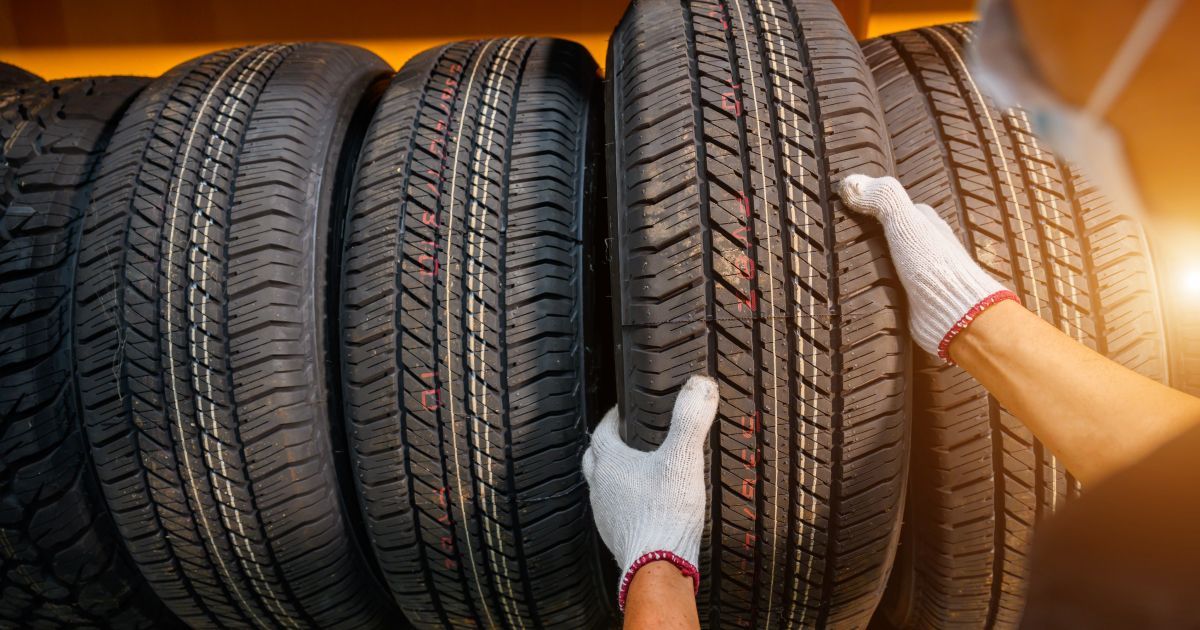
Why Buying Tires from a Local Shop in Lansing Is the Smarter Choice Online tire shopping has become common, and the advertised prices can look attractive. But the total cost and experience of buying tires is not just the tire price — it is the installation, the service that comes with it, and the relationship with a shop that stands behind what they sell. For drivers in Lansing and across Mid-Michigan, buying tires from a local shop like Affordable Tires & Auto Repair offers advantages that are worth understanding. Quick Answer Local shops include installation, mounting, balancing, and TPMS service — online prices typically do not The shop that sells you the tire is also accountable if something goes wrong A local shop can inspect your vehicle during installation and flag alignment or suspension issues early You build a service relationship that carries across your vehicle’s full maintenance history For full-service shops like Affordable Tires & Auto Repair, tires are one part of a complete vehicle relationship What Does Online Tire Pricing Actually Include? Online tire prices cover the tire itself — not the installation. To get tires actually on your vehicle from an online purchase, you still need to have them shipped to a local shop that will mount, balance, and install them. That shop typically charges an installation fee per tire (often $20-40 each), a disposal fee for your old tires, and a TPMS service fee if sensors need attention. By the time the full cost is added up, the price difference from buying locally is often smaller than expected — and sometimes nonexistent. Who Is Accountable If Something Is Wrong? When you buy from a local shop, the shop that sold you the tire is the shop installing it and standing behind it. If there is a balance issue, a vibration after installation, or a warranty claim, you deal with the same team. When tires are bought online and shipped to a different shop for installation, accountability for any issue is split between the retailer and the installer — which can make resolving problems frustrating. What Else Gets Looked at During a Local Tire Installation? When tires are installed at Affordable Tires & Auto Repair, the vehicle goes up on a lift. That is an opportunity to look at brake condition, suspension components, tie rod ends, and anything else visible during the installation process. We do not charge extra for that look — it is part of how we work. If we see something that needs attention, we tell you. If everything looks fine, we tell you that too. Online tire purchases installed at a tire-only warehouse may not include this additional inspection. You get tires mounted and balanced and nothing more. For a driver who has not had a vehicle inspection in a while, the local shop installation provides value beyond just the tire. What About the Service Relationship? A local shop that sells and services your tires also knows your vehicle’s history. When you come back for a rotation, they know when the tires were installed and at what mileage. When you have a nail in a tire, they know the brand and when it was purchased for warranty purposes. That continuity of relationship is part of what makes local service different from transactional online purchasing. Built on Trust, Driven by Standards Affordable Tires & Auto Repair is part of the 517 Auto Care network — a locally operated group of full-service shops that serves the Greater Lansing area. When you buy tires here, you are buying them from the same team that will service your vehicle for years. We recommend tires based on your vehicle and how you drive, we install them correctly, and we are here when something comes up. That is what local service looks like. FAQ