
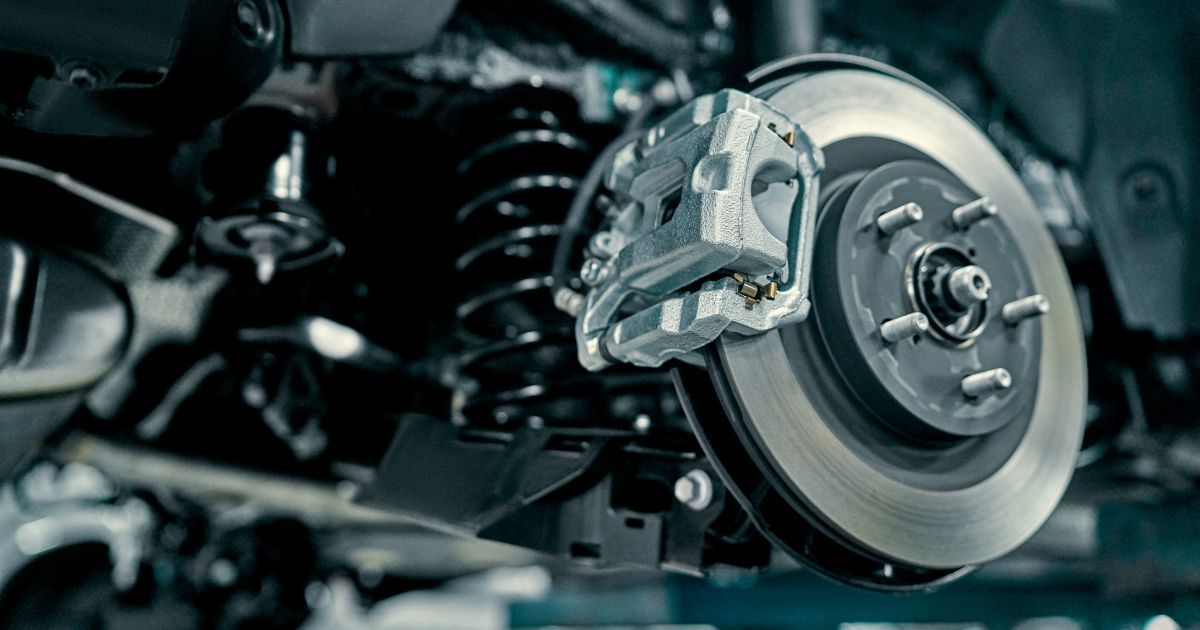
Brake Repair 101: How to Keep Your Vehicle Safe in the Greater Lansing Area Your brakes are the single most important safety system on your vehicle. Whether you’re navigating stop-and-go traffic in downtown Lansing or making an emergency stop on a winter road, your ability to stop quickly and consistently depends on a properly maintained brake system. Understanding the basics of how brakes work, what to watch for, and what proper service involves helps you make informed decisions — and catch problems before they become expensive ones. Quick Answer: What Does Proper Brake Maintenance Include? Inspecting pads, rotors, and calipers for wear and condition Checking brake fluid condition and level Monitoring for noise, vibration, or changes in stopping feel Addressing symptoms early — before they cause rotor damage or system failure How Your Brake System Works Brakes work through hydraulic pressure and friction. When you press the pedal, brake fluid carries that pressure through the brake lines to the calipers. The calipers squeeze brake pads against spinning rotors, and the friction created slows and stops the vehicle. The key components: brake pads (create friction), rotors (provide the friction surface), calipers (apply pressure), brake lines and fluid (carry hydraulic force), and hardware (holds everything in position). Every component is part of a single system — when one wears out, the others work harder. How to Recognize Brake Problems Early Squealing or screeching during braking is typically the first sign — wear indicator tabs alerting you pads are low. Grinding means pads are gone and metal is contacting metal. A soft or spongy pedal suggests air in the lines, low fluid, or a hydraulic issue. Vibration during braking usually points to warped or scored rotors. Pulling to one side indicates uneven braking force. Longer stopping distance is a direct safety concern that needs immediate attention. Why Brake Fluid Is Often Overlooked Brake fluid is hygroscopic — it absorbs moisture from the air over time. As moisture content increases, the fluid’s boiling point drops, which can cause brake fade during heavy or repeated braking. Contaminated fluid also corrodes internal brake system components including ABS hardware. Most vehicles benefit from a brake fluid flush every 2–3 years, particularly in Michigan where humidity and temperature swings accelerate degradation. What Happens If You Delay Brake Service Pads that wear through to the metal damage rotors — turning a pad-only replacement into a pad-and-rotor job. Rotors that develop deep scoring may need replacement rather than resurfacing. Calipers that stick cause uneven wear across axles. What might be a $240–$295 pad replacement becomes a $390–$520 or higher repair when the rotor is involved. Addressing brake symptoms early consistently costs less. Why Michigan Conditions Accelerate Brake Wear Road salt corrodes brake hardware, caliper slide pins, and rotor surfaces — especially on vehicles that sit unused for periods. Potholes stress suspension components that affect braking geometry. Stop-and-go traffic in Lansing creates more heat cycles per mile than highway driving. Winter braking demands — longer stopping distances, more frequent stops — add up over a Michigan winter. Brakes here need more attention than in milder climates. Built on Trust, Driven by Standards At Affordable Tires & Auto Repair, brake service means inspecting the full system and reporting what we find — not just addressing the symptom you came in for. We check pads, rotors, calipers, fluid, and hardware, and give you a clear picture of where everything stands. For advanced brake diagnostics and system-level issues, Auto Surgeon handles complex vehicle health assessments. For major brake system repair and drivetrain work, A&D Repair provides full mechanical support. When brake repairs affect wheel speed sensors or ABS components, Complete ADAS Solutions handles recalibration. All qualifying brake service is backed by a 5-year / 60,000-mile warranty. Frequently Asked Questions

Best Off-Road Tires for Michigan Drivers: What to Know Before You Buy Off-road tires are built for conditions that regular all-season tires are not — loose gravel, mud, dirt roads, rocky terrain, and deep snow. Michigan offers plenty of opportunity for all of it, from two-track roads in the U.P. to logging roads, hunting access, and recreational trails throughout the Lower Peninsula. The right off-road tire depends on how much off-pavement driving you actually do versus how many miles you cover on regular roads. Quick Answer All-terrain (A/T) tires are the most practical choice for drivers who mix on-road and off-road driving Mud-terrain (M/T) tires excel in deep mud and extreme off-road but are noisier and wear faster on pavement Hybrid or rugged-terrain tires split the difference — more capable off-road than A/T but more road-friendly than M/T For Michigan winters, look for the three-peak mountain snowflake (3PMSF) rating on your chosen A/T tire Tire size and load rating must match the vehicle — oversized tires can affect handling and ADAS systems All-Terrain Tires: The Most Practical Michigan Choice All-terrain tires are designed to handle both paved roads and moderate off-road conditions. They have more aggressive tread patterns than all-season tires, with larger tread blocks and open shoulders that provide grip in loose conditions. On pavement, they drive acceptably — slightly noisier than touring tires but manageable for daily commuting. For most Michigan drivers who use their truck or SUV for occasional off-road or seasonal hunting and recreation, all-terrain tires offer the best combination of on-road comfort and off-road capability. Look for tires with the 3PMSF rating for adequate snow and ice performance in Michigan winters. Mud-Terrain Tires: For Serious Off-Road Use Mud-terrain tires have large, open tread lugs designed to self-clean in mud and provide maximum grip in extreme off-road conditions. They are excellent for deep mud, rutted trails, and aggressive off-roading. The trade-offs are significant for drivers who also spend time on pavement: higher road noise, reduced wet pavement performance, faster treadwear, and lower fuel economy. Mud-terrain tires make sense for vehicles that spend the majority of their working time off-road. For someone who uses a truck primarily for daily commuting with occasional off-road use, the trade-offs are hard to justify. Rugged-Terrain Tires: A Middle Ground Several manufacturers offer tires that fall between all-terrain and mud-terrain performance — sometimes called rugged-terrain or hybrid A/T. These provide more off-road capability than a standard A/T without the severe on-road compromises of a true mud-terrain. If your off-road use is more demanding than casual trails but you still drive on paved roads regularly, this category is worth considering. Does Tire Size Matter for Off-Road Performance? Larger tires provide more ground clearance and a larger contact patch in off-road conditions. However, oversized tires can affect steering geometry, speedometer accuracy, fuel economy, and on some newer vehicles, can affect the performance of ADAS systems calibrated to the original tire size. If you are considering a significant size change from stock, have the installation reviewed to understand the implications for your specific vehicle. Built on Trust, Driven by Standards At Affordable Tires & Auto Repair, we can help you find the right balance between on-road and off-road capability for how you actually use your vehicle in Mid-Michigan. We do not recommend the most aggressive tire just because it looks capable — we match the tire to your actual driving mix and make sure the fitment is right for your vehicle. FAQ
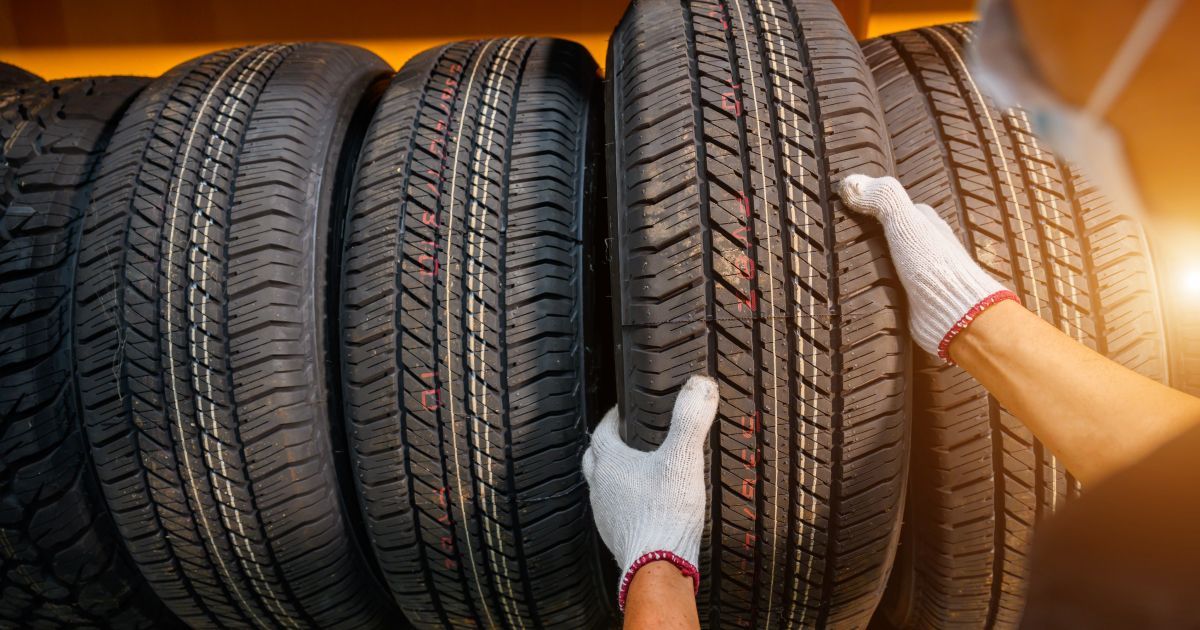
Why Buying Tires from a Local Shop in Lansing Is the Smarter Choice Online tire shopping has become common, and the advertised prices can look attractive. But the total cost and experience of buying tires is not just the tire price — it is the installation, the service that comes with it, and the relationship with a shop that stands behind what they sell. For drivers in Lansing and across Mid-Michigan, buying tires from a local shop like Affordable Tires & Auto Repair offers advantages that are worth understanding. Quick Answer Local shops include installation, mounting, balancing, and TPMS service — online prices typically do not The shop that sells you the tire is also accountable if something goes wrong A local shop can inspect your vehicle during installation and flag alignment or suspension issues early You build a service relationship that carries across your vehicle’s full maintenance history For full-service shops like Affordable Tires & Auto Repair, tires are one part of a complete vehicle relationship What Does Online Tire Pricing Actually Include? Online tire prices cover the tire itself — not the installation. To get tires actually on your vehicle from an online purchase, you still need to have them shipped to a local shop that will mount, balance, and install them. That shop typically charges an installation fee per tire (often $20-40 each), a disposal fee for your old tires, and a TPMS service fee if sensors need attention. By the time the full cost is added up, the price difference from buying locally is often smaller than expected — and sometimes nonexistent. Who Is Accountable If Something Is Wrong? When you buy from a local shop, the shop that sold you the tire is the shop installing it and standing behind it. If there is a balance issue, a vibration after installation, or a warranty claim, you deal with the same team. When tires are bought online and shipped to a different shop for installation, accountability for any issue is split between the retailer and the installer — which can make resolving problems frustrating. What Else Gets Looked at During a Local Tire Installation? When tires are installed at Affordable Tires & Auto Repair, the vehicle goes up on a lift. That is an opportunity to look at brake condition, suspension components, tie rod ends, and anything else visible during the installation process. We do not charge extra for that look — it is part of how we work. If we see something that needs attention, we tell you. If everything looks fine, we tell you that too. Online tire purchases installed at a tire-only warehouse may not include this additional inspection. You get tires mounted and balanced and nothing more. For a driver who has not had a vehicle inspection in a while, the local shop installation provides value beyond just the tire. What About the Service Relationship? A local shop that sells and services your tires also knows your vehicle’s history. When you come back for a rotation, they know when the tires were installed and at what mileage. When you have a nail in a tire, they know the brand and when it was purchased for warranty purposes. That continuity of relationship is part of what makes local service different from transactional online purchasing. Built on Trust, Driven by Standards Affordable Tires & Auto Repair is part of the 517 Auto Care network — a locally operated group of full-service shops that serves the Greater Lansing area. When you buy tires here, you are buying them from the same team that will service your vehicle for years. We recommend tires based on your vehicle and how you drive, we install them correctly, and we are here when something comes up. That is what local service looks like. FAQ
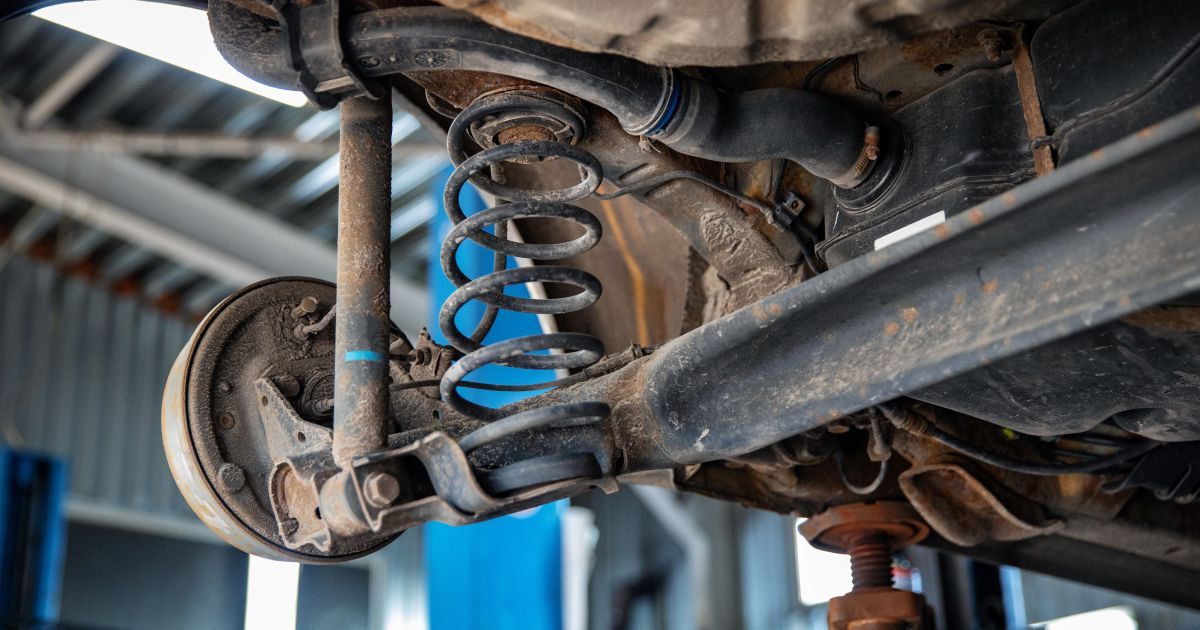
Shocks vs. Struts: What Lansing Drivers Need to Know (And When It’s Time to Replace Them) Shocks and struts control how your vehicle moves — managing bounce, body roll, and the ability of your tires to maintain contact with the road surface. When they wear out, the effects are gradual enough that many drivers don’t notice until performance has already dropped significantly. In Michigan, where potholes, rough roads, and temperature extremes put constant stress on suspension components, this wear happens faster than most drivers expect. Quick Answer: Shocks vs. Struts Shocks — control bounce and vibration; not structural components Struts — structural part of the suspension; combine a shock absorber with a coil spring Both control how your vehicle handles bumps and maintains road contact Worn shocks or struts reduce braking performance, increase tire wear, and affect handling Most vehicles need inspection around 50,000 miles — earlier in Michigan conditions What’s the Actual Difference? Shock absorbers are stand-alone damping components that control suspension movement without bearing vehicle weight — they work alongside springs to manage rebound and prevent excessive bounce. Struts are structural: they combine a shock absorber and coil spring into a single assembly that supports the vehicle’s weight while also controlling suspension movement. Most modern vehicles have struts on the front and shocks on the rear, though this varies. For maintenance purposes, both wear the same way and produce similar symptoms when they’re due for replacement. Warning Signs Your Shocks or Struts Are Worn A rough, bouncy ride where the vehicle continues to bounce after hitting a bump is often the first sign. Nose-diving during braking — the front end dipping significantly forward when you stop — indicates inadequate front damping. Increased body roll and sway during lane changes or turns suggests the suspension isn’t controlling vehicle movement effectively. Steering that feels loose or less precise, fluid leaking from a shock or strut body, and uneven or cupped tire wear are all additional indicators. Why Michigan Roads Accelerate Shock and Strut Wear Freeze-thaw pothole cycles are the primary culprit. Every significant impact — from a pothole, railroad crossing, or rough transition — creates stress on shock and strut components beyond normal operating loads. Road salt accelerates corrosion on hardware and bushings. Temperature extremes cause seals to harden and fail. Drivers in Lansing, East Lansing, Okemos, Haslett, Holt, DeWitt, Bath, Williamston, and Perry deal with all of these conditions year-round. What Happens If You Delay Replacement Worn shocks and struts don’t just affect ride comfort — they directly affect safety. Stopping distance increases because the front end can’t maintain tire contact during braking. Tire wear accelerates and becomes uneven. The additional movement and stress transfers to other suspension components, accelerating their wear as well. What could be addressed with a straightforward shock or strut replacement eventually involves additional components if ignored long enough. Shocks, Struts, and ADAS Calibration On newer vehicles, ride height changes and suspension geometry adjustments from strut replacement can affect camera and sensor positioning for systems like lane keep assist, adaptive cruise, and collision avoidance. When that’s the case, Complete ADAS Solutions, an ADAS calibration company within the 517 Auto Care network, handles the recalibration to ensure those systems function correctly after repairs. Built on Trust, Driven by Standards At Affordable Tires & Auto Repair, suspension wear is often identified during tire service — uneven or cupped tire wear is one of the most common indicators of shock or strut problems. Getting the suspension right protects the tire investment. For shock and strut replacement and full suspension work, A&D Repair handles complete mechanical repair with qualifying shocks and struts covered by a lifetime parts warranty and 5-year labor warranty. Auto Surgeon specializes in diagnosing complex ride quality and handling concerns. All qualifying service across the 517 Auto Care network is backed by a 5-year / 60,000-mile warranty. Frequently Asked Questions
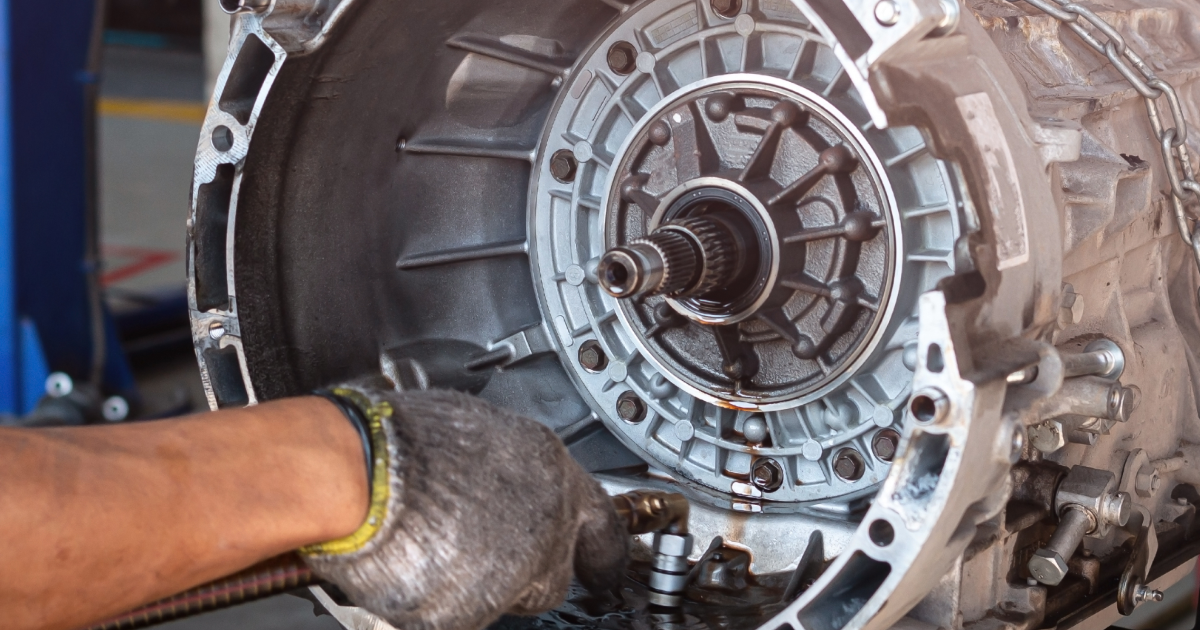
Transmission Service in Lansing, MI: What Drivers Need to Know Transmission service is one of the most overlooked parts of vehicle maintenance — and one of the most expensive to neglect. In the Lansing area, where cold winters and stop-and-go traffic are the norm, transmission fluid breaks down faster than most drivers expect. The gap between routine maintenance and a full transmission repair isn’t a small one. Here’s what you need to know about transmission service intervals, warning signs, and why Michigan driving makes this more important than the owner’s manual suggests. Quick Answer: When Does Your Transmission Need Service? General interval: every 30,000–60,000 miles Michigan recommendation: closer to 30,000–45,000 miles for most local drivers Sooner if you notice symptoms like slipping, delayed engagement, or rough shifts Stop-and-go driving, cold starts, and city commuting all accelerate fluid breakdown Transmission repair costs $2,000–$5,000+; routine service is a fraction of that What Your Transmission Does The transmission controls how power from your engine reaches your wheels — managing gear changes, adjusting power output based on speed and load, and enabling smooth, efficient acceleration. Automatic transmissions do this continuously without driver input. Manual transmissions put that control in the driver’s hands. Either way, the transmission is working constantly, and the fluid that lubricates and cools it does a demanding job. How Michigan Driving Affects Transmission Fluid Manufacturer service intervals are built for typical conditions. Michigan conditions are not typical. Cold starts force transmission fluid to perform before it reaches proper operating temperature. Stop-and-go traffic in Lansing and East Lansing generates heat that degrades fluid faster. Short trips don’t allow the system to stabilize. Seasonal temperature swings — from sub-zero winters to humid summers — accelerate chemical breakdown. The result: fluid that reaches contamination or degradation thresholds faster than the owner’s manual assumes. For most Lansing-area drivers, 30,000–45,000 miles is a more accurate service interval than the commonly cited 60,000. Warning Signs of Transmission Problems Catch these early: slipping gears or unexpected disengagement, delayed engagement when shifting into drive or reverse, rough or jerky gear changes, a burning smell after driving, a transmission or check engine warning light, fluid leaks that are typically red or dark brown in color, or shuddering at highway speeds. These symptoms indicate fluid that has already broken down or early component wear — both get worse, and more expensive, if ignored. Automatic vs. Manual: Is Service Different? Both require maintenance, but automatic transmissions are more complex internally and more sensitive to fluid condition. They typically benefit from more frequent service, especially in demanding driving conditions. Manual transmissions are generally more durable, but still require periodic fluid changes — worn fluid in a manual transmission increases wear on gear synchronizers and bearings over time. What Happens If You Skip Transmission Service? Fluid that’s past its service life loses its lubricating and cooling properties. Internal components wear faster. Heat builds up. Slipping and rough shifts develop. Left long enough, internal damage accumulates to the point where repair — or replacement — becomes the only option. A fluid service costs a fraction of a transmission rebuild. The math is straightforward. Built on Trust, Driven by Standards At Affordable Tires & Auto Repair, transmission service is part of complete vehicle maintenance — not an alarm-bell upsell. We check fluid condition, recommend service when it’s actually due, and give you a straight answer about your vehicle’s needs. For deeper transmission diagnostics and early issue identification, Auto Surgeon handles complex drivability assessments. For heavier drivetrain repair, A&D Repair provides full mechanical support. All qualifying service across the 517 Auto Care network is backed by a 5-year / 60,000-mile warranty. Frequently Asked Questions
Why Does Your Car Shake While Driving? (What It Means for Michigan Drivers) A vehicle that shakes while driving is telling you something — the question is what. Vibration can come from tires, wheels, brakes, steering, suspension, or even the engine depending on when it happens and how it feels. In Michigan, where rough roads, potholes, and seasonal conditions affect vehicles hard, driving-related vibration is one of the more common service concerns we encounter across Lansing and surrounding communities. Here’s how to read the vibration — and what typically causes it. Quick Answer: What’s Causing the Shake? Vibration at highway speeds — most often wheel balance or alignment Shaking during braking — often warped brake rotors Constant vibration regardless of speed — may indicate suspension or steering wear Vibration when stopped or at idle — could be engine or drivetrain related Most common cause in Michigan — alignment knocked off by potholes and rough roads Wheel Alignment Problems Alignment issues are the most common cause of driving vibration in the Lansing area. When suspension angles are off from pothole impacts, worn components, or gradual drift, tires can’t maintain even, consistent road contact. The result is often a vibration that worsens at higher speeds and may be accompanied by the vehicle pulling to one side or uneven tire wear. Every significant pothole hit is a potential alignment event. Unbalanced Tires Even a small weight imbalance in a tire and wheel assembly creates vibration that amplifies with speed. If the shake is most noticeable at a specific speed range and feels like it’s coming through the steering wheel, unbalanced front tires are often the cause. If it’s more of a full-body vibration, rear wheel balance may be involved. This is typically a straightforward fix when caught early. Warped Brake Rotors If the vehicle shakes specifically during braking — a pulsing through the brake pedal or steering wheel when you slow down — warped or unevenly worn rotors are the most likely cause. Michigan pothole impacts and thermal cycling from stop-and-go driving in Lansing both contribute to rotor warping over time. This reduces braking efficiency and should be addressed. Worn Steering or Suspension Components Tie rod ends, ball joints, control arm bushings, and worn shocks or struts can all produce vibration — particularly at various speeds rather than just at highway cruise. If the shake occurs while turning, during acceleration, or seems connected to road surface rather than vehicle speed, suspension components are worth investigating. These are safety-critical components in addition to comfort items. Tire Condition Unevenly worn tires — from deferred rotation, prolonged alignment issues, or worn suspension components — create vibration that can persist even after balancing because the issue is in the tire geometry itself. Cupped or scalloped tread patterns are a common result of worn shocks and cause vibration that doesn’t fully resolve without tire replacement. Why Michigan Roads Make This More Common Freeze-thaw pothole cycles, rough pavement transitions, and road salt effects on suspension components all combine to make alignment and suspension issues more frequent in Lansing, East Lansing, Okemos, Haslett, Holt, DeWitt, Bath, Williamston, and Perry than in most other regions. Vibration that starts after a rough stretch of road should be taken seriously — don’t assume it will clear up on its own. Built on Trust, Driven by Standards At Affordable Tires & Auto Repair, we diagnose the source of vibration rather than guessing or replacing parts in sequence. Tires, alignment, suspension, and brakes all interact — understanding where the vibration is actually coming from determines the right repair the first time. For alignment and suspension repair, A&D Repair handles complete mechanical work. Auto Surgeon specializes in complex drivability and performance diagnostics. For tire-related vibration, our tire service team can assess balance, wear, and condition together. All qualifying service is backed by a 5-year / 60,000-mile warranty. Frequently Asked Questions
“Free Tire Services” Sound Great — But Here’s What Lansing Drivers Need to Know Advertised free tire rotations, free inspections, and free lifetime balancing are a common marketing tool in the tire industry. For some drivers, they deliver real value. For others, the fine print makes them less useful than they appear. Here is an honest look at what these offers typically include, where the limits are, and what to watch for. Quick Answer Free tire rotations are typically limited to tires purchased at that location Free lifetime balancing usually requires returning to the original location for service Free inspections are always worth taking — but they are also an opportunity to sell services The value of a free service depends on whether you actually use it and whether the shop is convenient A transparent shop is more valuable than one offering perks — free or paid What Is Free Tire Rotation? Many tire retailers offer free tire rotations when you purchase tires from them. This is a genuine benefit — rotating tires every 5,000-7,500 miles is one of the most effective ways to extend tire life, and having that service covered for the life of the tires is worthwhile. The catch: it is only free on the tires purchased at that location, and you need to return to that location for service. If the shop is convenient for you and the service experience is good, this can be a real value. If the location is out of your way or the service experience is frustrating, the free rotation may not be used enough to matter. What About Free Lifetime Balancing? Free lifetime balancing is typically offered as part of a tire purchase package. Like free rotation, it applies to the purchased tires and usually requires returning to the original location. Balancing is needed when you notice vibration from a tire, and periodically as tires wear. This offer has value for drivers who stay in the same area and use the same shop consistently. For drivers who move, change shops, or find the original location inconvenient, the free balancing may not be used effectively. Are Free Tire Inspections Valuable? A tire inspection is always worth taking when offered — knowing your tread depth, pressure, and overall tire condition is useful information. The important thing to understand is that a free inspection is also a sales opportunity. A shop that offers free inspections will naturally present findings that may lead to recommended services. This is not inherently dishonest — it is how service businesses operate. The key is whether the recommendations are accurate and presented honestly, or whether there is pressure to approve work that may not be immediately necessary. A shop that shows you what they found, explains the condition clearly, and lets you decide without pressure is the right environment. What Actually Matters More Than Free Services? The most valuable thing in a tire and auto service relationship is trust — knowing that what you are told is accurate and that the work is done correctly. A shop that offers fewer perks but communicates honestly, shows you what they found, and does not pressure unnecessary services is more valuable than one that leads with free offers but is less transparent in its recommendations. At Affordable Tires & Auto Repair, part of the 517 Auto Care network, we compete on honesty and service quality. We will tell you what your tires need, show you the condition, and let you decide. That is what a good service relationship looks like. Built on Trust, Driven by Standards We do not use aggressive tactics, and we do not manufacture urgency around services that are not immediately needed. If your tires are fine, we will tell you. If they need attention, we will show you why and explain your options. That is the approach that builds a long-term relationship with local drivers. FAQ
Why 517 Auto Care Isn’t Just Another Tire Shop in Lansing You’ve heard the standard tire shop pitch: lowest prices, free rotations, free flat repairs. And those things have value. But they all assume the same thing: that your tire problem is just a tire problem. At 517 Auto Care, we know better. Tires don’t wear out randomly — something causes it. And selling you new tires without addressing that cause means your next set will wear out the same way. Quick Answer: What Makes 517 Auto Care Different From a Typical Tire Shop? A connected network that diagnoses why tires wore out, not just replaces them Affordable Tires & Auto Repair for tires, brakes, and under-car service Auto Surgeon for maintenance and early detection that extends tire life A&D Repair for suspension, alignment, and mechanical causes of tire wear Complete ADAS Solutions for safety system calibration after relevant repairs The Problem With Standard Tire Shops Most tire-focused businesses are built around a transaction: sell tires, install them, rotate and balance on schedule. That works fine when the only issue is worn tread. But it doesn’t work when the real cause of your tire wear is: Worn suspension components causing uneven contact Misalignment from a pothole impact that went unaddressed Failing tie rods causing steering wander and tire scrubbing Struts that have lost their ability to maintain consistent tire contact Install new tires on a vehicle with those problems and they’ll wear out the same way — often faster — than what you just replaced. The transaction happened; the problem didn’t get fixed. How the 517 Auto Care System Actually Works Step 1: Identify the tire issue and what’s causing it — Affordable Tires & Auto Repair Uneven wear, vibration, pulling while driving — these aren’t just tire symptoms. They’re also symptoms of suspension, alignment, and steering problems. Affordable Tires & Auto Repair handles tire sales and installation, but also inspects brakes, under-car components, and steering. If there’s a cause beyond the tire itself, it gets identified here. Step 2: Protect tire life through consistent maintenance — Auto Surgeon Tire longevity is directly connected to overall vehicle health. Proper oil and fluid maintenance, preventive inspections, and maintaining engine performance all affect how long tires last. Auto Surgeon focuses on efficient, proactive maintenance that extends the life of every component — including tires. Step 3: Fix deeper mechanical causes — A&D Repair When the cause of tire wear is a suspension component, structural alignment issue, or mechanical wear that goes beyond routine service, A&D Repair addresses it. Worn struts, damaged control arm bushings, failing ball joints, bent components from pothole impacts — these all get resolved at the root level. A Real Lansing Example A typical tire shop scenario: you bring in your car with tires wearing on the inside edge. They sell you new tires. Six months later, those tires are wearing on the inside edge. The 517 Auto Care scenario: Affordable Tires & Auto Repair identifies the wear pattern and flags it as an alignment and suspension concern. A&D Repair finds worn struts and corrects the alignment. Auto Surgeon builds a maintenance schedule that keeps systems in check. New tires are installed on a vehicle that will actually protect them. The tires last. The vehicle drives correctly. The repair investment holds its value. How This Connects to Modern Vehicle Safety Systems Modern vehicles integrate tires into safety systems in ways that weren’t true 15 years ago. Traction control, stability control, ABS, and ADAS features all use tire contact data. When tire wear or suspension issues affect how tires contact the road, those systems are compromised. When repairs affect vehicle safety systems or ADAS features, Complete ADAS Solutions — a dedicated ADAS calibration company within the 517 Auto Care network — ensures everything is properly calibrated before the vehicle returns to the road. Backed by a 5-Year / 60,000-Mile Warranty All qualifying repairs through the 517 Auto Care network include a 5-year / 60,000-mile warranty on parts and labor. Built on Trust, Driven by Standards FAQ: Why 517 Auto Care Is Different
Wheel Bearing Replacement in Lansing, MI: Signs, Costs, and What to Expect Wheel bearings are one of those components most drivers don’t think about until they start making noise — and by then, replacement is usually overdue. In Michigan, where road salt, potholes, and harsh winters accelerate bearing wear, knowing the warning signs early can save you from more expensive repairs. Quick Answer: How Do You Know If a Wheel Bearing Is Failing? Grinding, humming, or rumbling noise that changes with vehicle speed Noise that gets louder when turning in one direction Vibration felt through the steering wheel or floorboard Uneven or unusual tire wear Loose or wobbly feeling in the wheel when inspected by a technician What Is a Wheel Bearing? Each wheel on your vehicle rotates around a fixed axle using a set of precision steel balls or rollers sealed inside a housing — the wheel bearing. The bearing allows the wheel to spin smoothly with minimal friction while supporting the full weight of the vehicle. Modern vehicles typically use a sealed hub assembly that combines the bearing with the wheel hub in a single unit. These are designed to last 75,000–150,000 miles under normal conditions — but Michigan conditions routinely shorten that lifespan. Why Michigan Road Conditions Accelerate Bearing Wear Several Michigan-specific factors are hard on wheel bearings: Road salt penetrates bearing seals over time, accelerating internal corrosion Pothole impacts create shock loads that damage bearing races and rolling elements Standing water from spring thaw infiltrates seals weakened by salt exposure Temperature extremes cause thermal cycling that stresses bearing materials Drivers in Lansing, East Lansing, Okemos, and surrounding communities who cover high-mileage routes on pothole-heavy roads tend to see bearing wear earlier than the mileage alone would suggest. The Classic Warning Sign: The Humming Noise The most distinctive symptom of a failing wheel bearing is a consistent humming or growling noise that: Changes pitch or volume with vehicle speed May increase or decrease when you slightly change lane position (shifting weight) Gets louder in turns — if louder turning left, the right bearing is likely failing; louder turning right, the left bearing This noise can initially be subtle and easy to mistake for tire noise or road noise. If you’re unsure, a quick inspection can confirm whether it’s the tire, the bearing, or something else. How Much Does Wheel Bearing Replacement Cost in Lansing? Cost varies based on vehicle type, drivetrain configuration, and which bearing is being replaced: Most passenger cars and crossovers: approximately $200–$400 per bearing/hub assembly installed Trucks, larger SUVs, or AWD vehicles with more complex drivetrains: $350–$600+ per bearing Front bearings are typically more labor-intensive than rear on many vehicles Dealership pricing for the same job typically runs 20–40% higher due to labor rate differences. Quality aftermarket hub assemblies perform comparably to OEM in most applications at lower cost. Can You Drive With a Failing Wheel Bearing? In the early stages when noise is the primary symptom, many drivers continue to drive. But a failing bearing that goes unaddressed will eventually fail completely — and when a wheel bearing fails completely, it can cause the wheel to seize or detach from the vehicle. The practical answer: get it inspected and scheduled for repair as soon as you hear symptoms. Don’t put it off for months. Should Bearings Be Replaced in Pairs? This depends on the vehicle and the condition of the opposite bearing. If both bearings on the same axle have similar mileage and comparable wear, replacing both at the same time avoids a near-term second repair. If the other bearing shows no signs of wear or damage, replacement of only the failing unit is appropriate. Your technician can evaluate the opposite bearing during the repair and make a recommendation. How 517 Auto Care Handles Wheel Bearing Service Wheel bearing diagnosis and replacement is handled across the 517 Auto Care network. A&D Repair handles wheel bearing replacement and related drivetrain work. Auto Surgeon performs diagnostics to confirm the bearing vs. other potential noise sources. Affordable Tires & Auto Repair can identify bearing symptoms during tire-related service. If bearing replacement affects alignment or ADAS safety systems, Complete ADAS Solutions ensures proper calibration. Backed by a 5-Year / 60,000-Mile Warranty All qualifying repairs through the 517 Auto Care network include a 5-year / 60,000-mile warranty on parts and labor. Built on Trust, Driven by Standards FAQ: Wheel Bearing Replacement
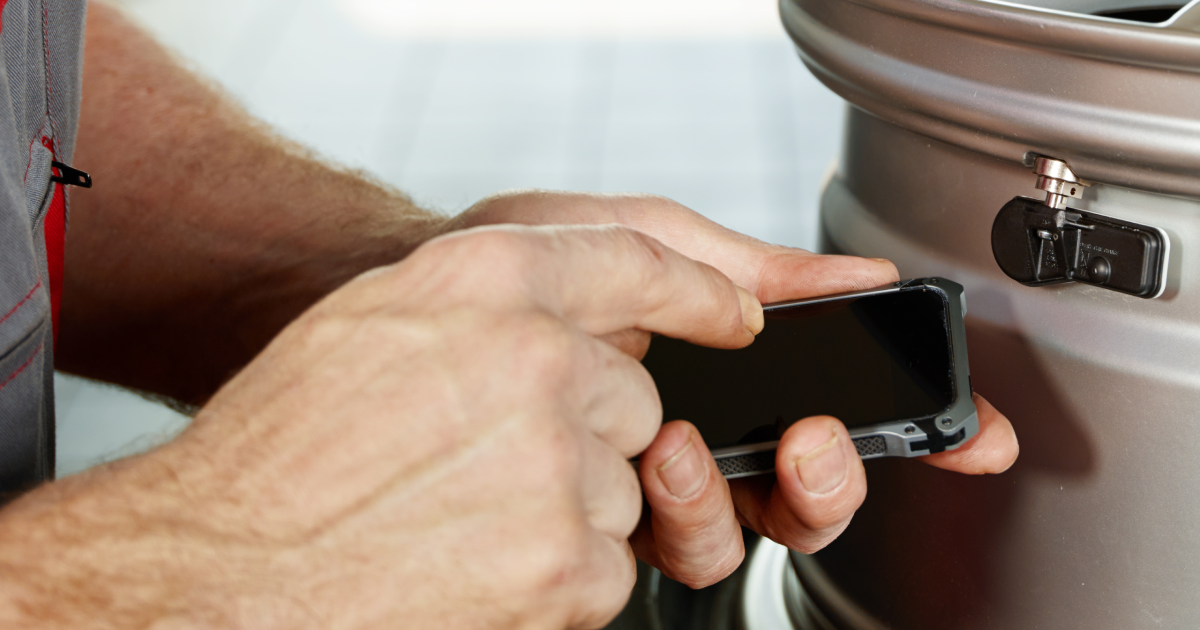
TPMS and Tire Pressure Warning Light: What Lansing Drivers Need to Know The tire pressure monitoring system (TPMS) warning light is one of the most commonly misunderstood dashboard indicators. It looks like a flat tire cross-section with an exclamation point, and when it comes on, it means at least one tire is significantly under-inflated. For Michigan drivers, the TPMS light comes on more often in fall and winter as temperatures drop — not because anything is wrong with the tires, but because cold air reduces pressure. Quick Answer TPMS light on = one or more tires is at least 25% below recommended pressure Check pressure in all four tires — do not assume it is just one In Michigan, cold weather drops tire pressure about 1 PSI per 10 degree temperature drop Add air and the light usually resets on its own; if it stays on, the sensor may need service A flashing TPMS light indicates a system fault, not just low pressure What Triggers the TPMS Warning Light? Federal law requires all vehicles sold in the US since 2007 to have a TPMS system. The warning light illuminates when tire pressure in one or more tires drops 25% or more below the manufacturer’s recommended level. If your recommended pressure is 35 PSI, the light will come on around 26 PSI or below. The most common triggers in the Lansing area: Seasonal temperature drop — pressure decreases as temperatures fall in fall and winter Slow leak from a nail or screw in the tread Natural pressure loss over time — tires lose about 1-2 PSI per month naturally Recent tire service where pressure was not set correctly Does Cold Weather Really Affect Tire Pressure? Yes — significantly. For every 10 degrees Fahrenheit the temperature drops, tire pressure decreases by approximately 1 PSI. A tire set to 35 PSI in September, when daytime temperatures are in the 70s, may read 29-30 PSI on a morning in January when temperatures are in the 10s. That is enough to trigger the TPMS warning. This is why the TPMS light so often appears on the first cold morning of the season. Add air to the correct pressure, and the light will typically turn off after a few miles of driving as the TPMS sensors confirm the pressure is within range. What Pressure Should Your Tires Be Set To? Use the pressure listed on the sticker inside the driver’s door jamb or in your owner’s manual. This is the manufacturer’s recommended pressure for your vehicle — not the maximum pressure printed on the tire sidewall. The sidewall number is the tire’s maximum capacity, not the target pressure for your vehicle. Check pressure when tires are cold — before driving more than a mile. A tire that has been driven on will read higher pressure due to heat buildup, which can give a false impression that pressure is correct. What Does a Flashing TPMS Light Mean? A TPMS light that flashes for about 60-90 seconds and then stays on solid indicates a fault in the TPMS system itself — a sensor that is not communicating, a dead sensor battery, or a sensor that was damaged or not reprogrammed after a tire service. This is different from a steady TPMS light caused by low pressure. A flashing light needs to be diagnosed — adding air will not fix it. Do TPMS Sensors Need Service? TPMS sensors have battery-powered transmitters with a finite lifespan — typically 7-10 years. When sensor batteries die, the sensor needs to be replaced. Sensors can also be damaged by road salt corrosion on the valve stem, or by improper tire changes that break the sensor housing. When tires are replaced, TPMS sensors should be inspected and the system should be relearned to the new tire positions. At Affordable Tires & Auto Repair, TPMS service is included as part of any tire installation. Built on Trust, Driven by Standards When you bring your vehicle in for tire service at Affordable Tires & Auto Repair, we check TPMS sensor condition as part of the process. If a sensor is failing or was not properly programmed after a previous service, we will catch it. We also set tire pressures to spec at installation and include the information on your service receipt. FAQ